

Flow of Tatami Reupholstering
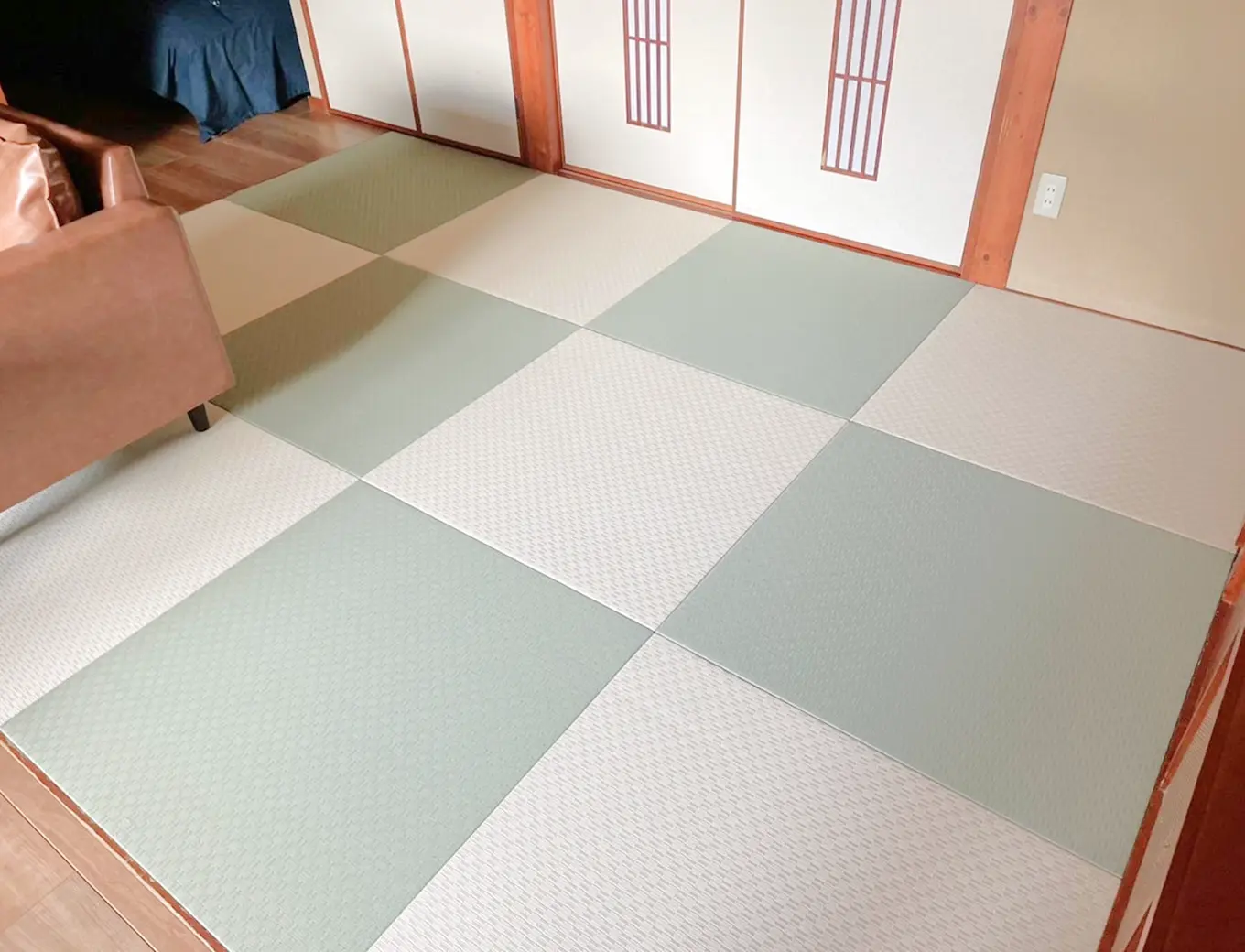
You are worried about stains, dents, and deterioration, but you have furniture and it's a hassle...it's okay! We can move your furniture free of charge, and of course, we can deliver the same day if you want to change the surface of the tatami, and we can also deliver new tatami in the shortest possible time. We also have a lot of experience in the installation of popular edge-less tatami mats.
(Available only in Japan.)

Inquiry
Please feel free to contact us with any questions or requests.

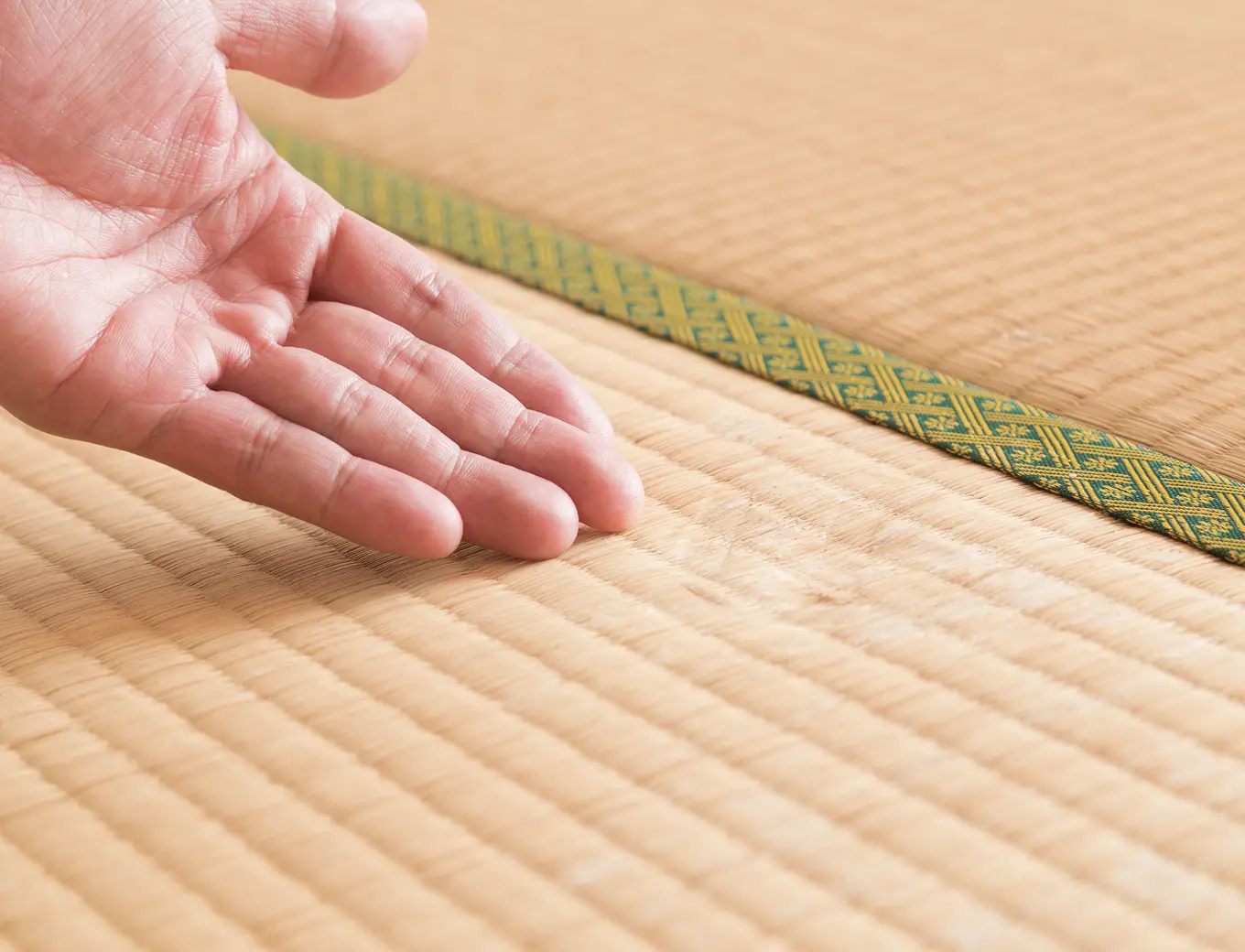
Confirm Product Type
We will confirm whether you are looking for a standard item or a custom-made product.
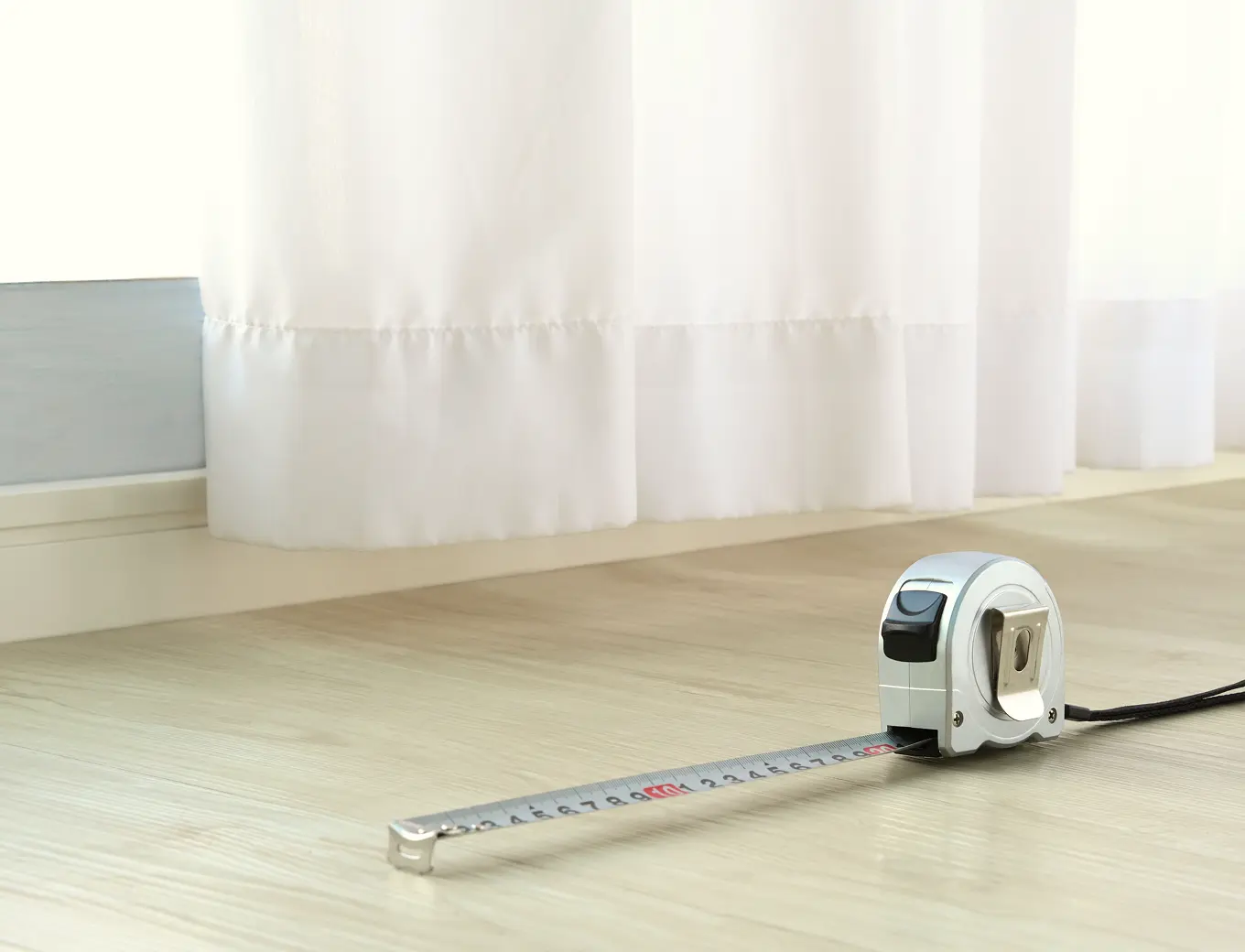
Specify Dimensions
For custom orders, please provide the desired size specifications.
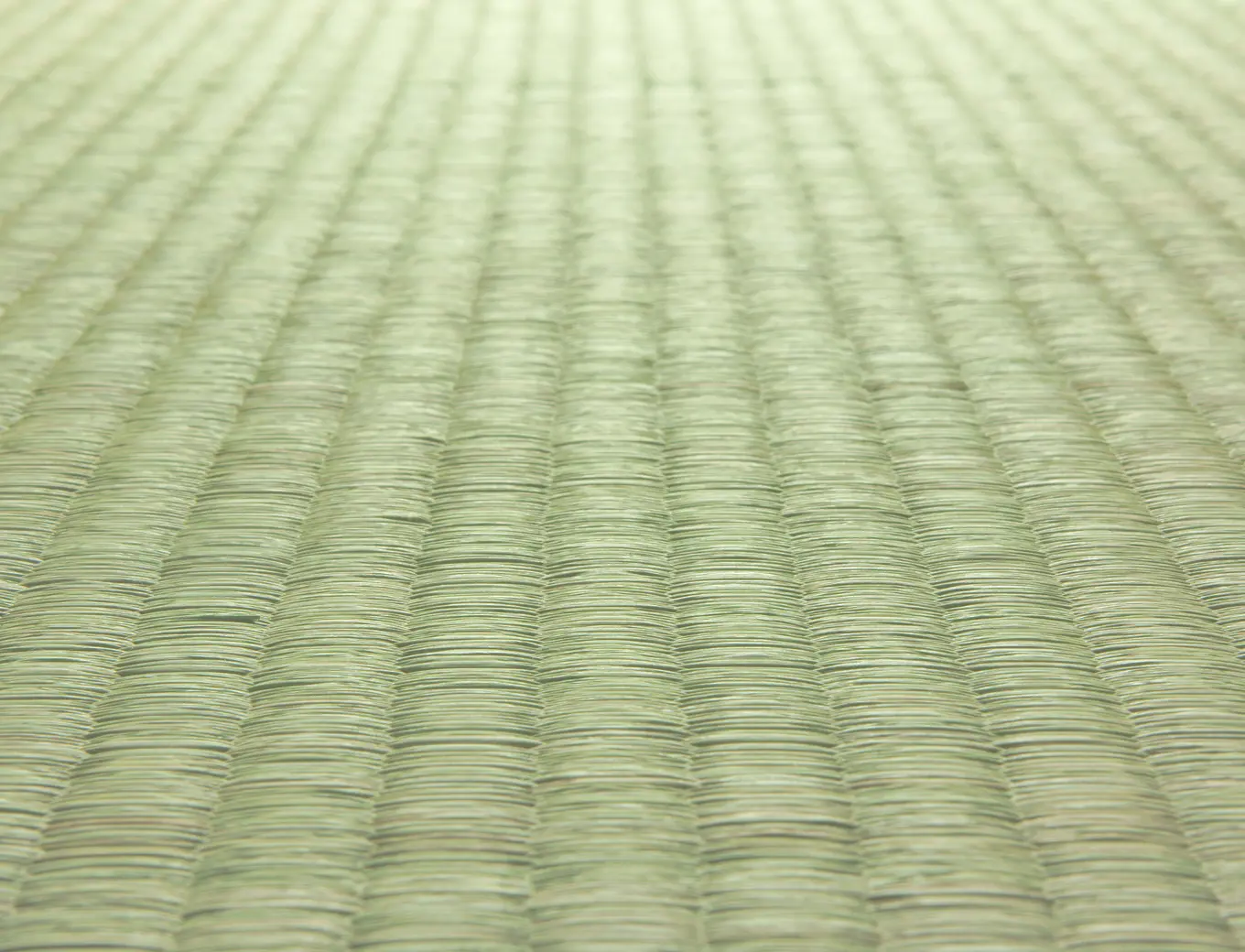
Select Materials
We will help you choose the most suitable materials for your needs.
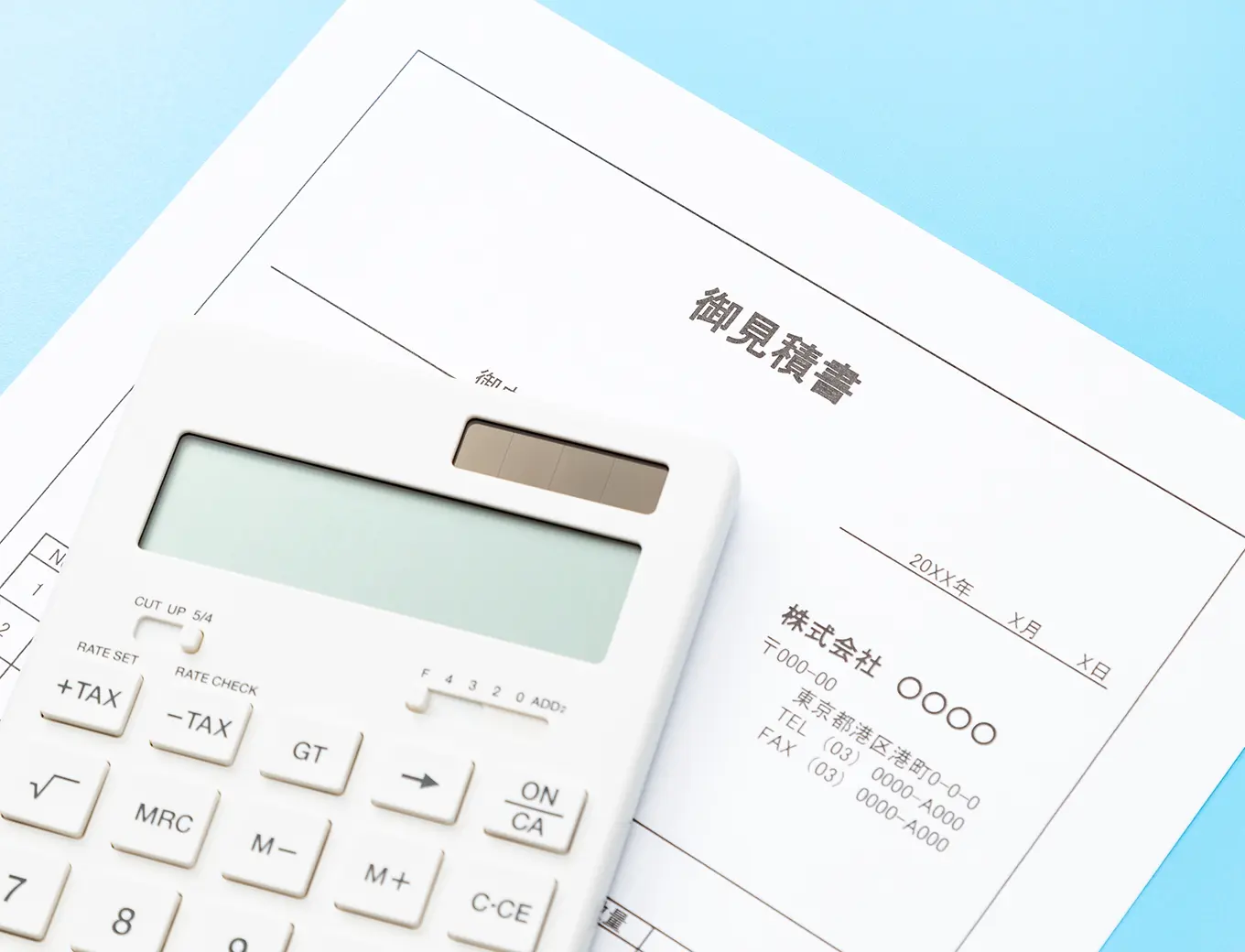
Quotation
A detailed quote will be provided based on your selections.
Delivery
Products will be carefully prepared and delivered as scheduled.
There are different types of tatami replacement
Tatami replacement includes “shin-tatami,” in which the entire tatami is renewed; “omote-gai,” in which the
tatami floor is utilized and the surface goza (tatami-omote) and edge (tatami-edge) are renewed; “ura-gai,”
in which the surface goza is turned over and only the edge (tatami-edge) is renewed; and “en-less tatami
(Ryukyu tatami),” in which the goza (tatami-omote) is bent on all sides and sewn onto the floor without using
tatami-edge. Ryukyu Tatami" is another type of Tatami.
Tatami mat omote (OMOTE)
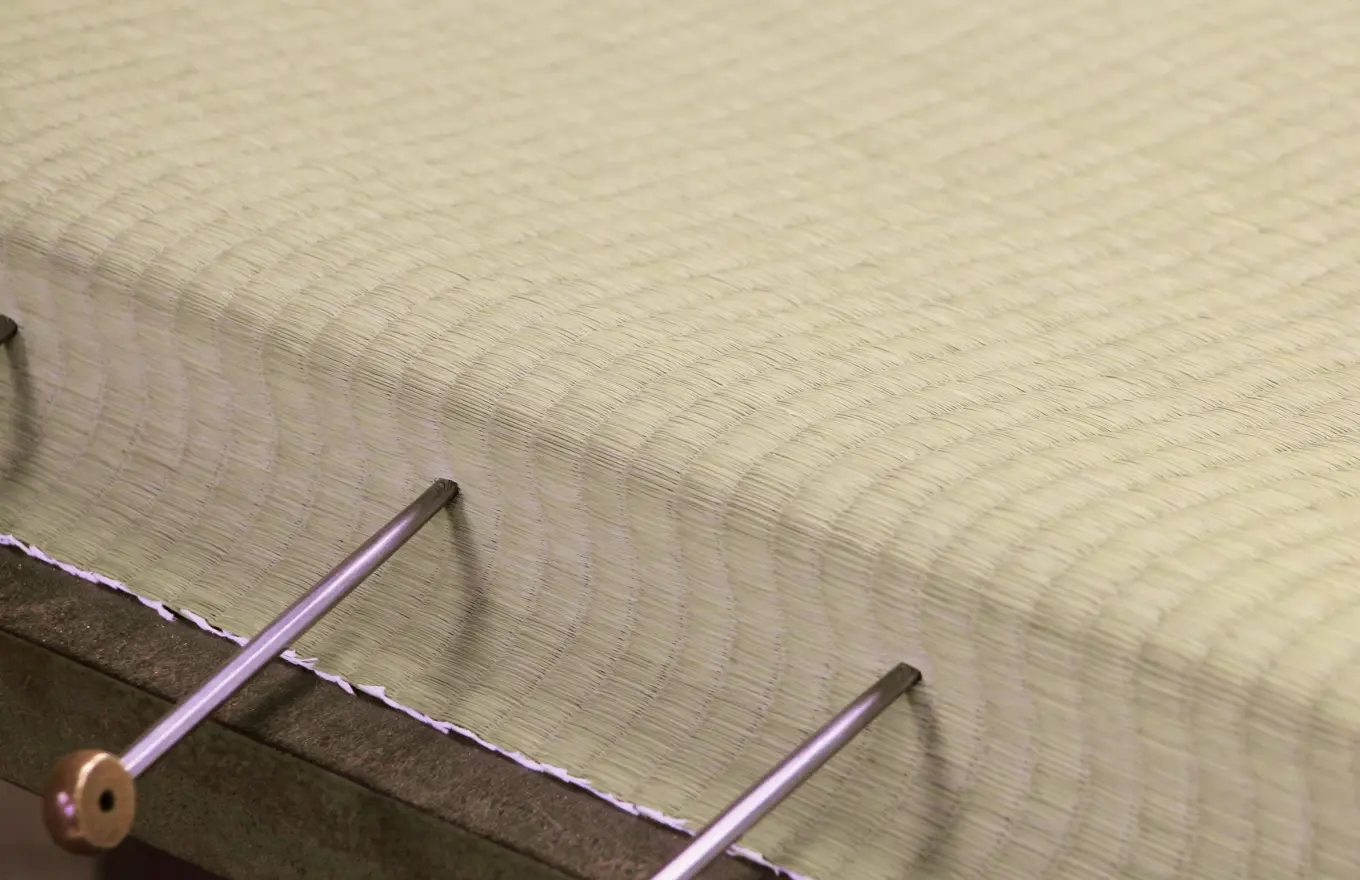
Tatami-omote is woven from dried rushes, the main material used for tatami mats, with rushes as the weft
and hemp or cotton yarns as the warp.
Currently, the most common weaving method is called Morome Omote, in which two warp threads are woven into each stitch.
For edge-less tatami, a weave called Meseki Omote, in which one warp thread is woven into each stitch, is used. Unlike tatami mats, natural materials are still commonly used for tatami-omote, but there are also tatami-omote made of woven synthetic fibers and sheet-type tatami-omote made of synthetic resin with tatami patterns stamped on the surface. As tatami-omote wears out over time, it is recommended to remove it from the tatami and turn it over once every three to five years or replace it with a new one (mote-mawashi).
Currently, the most common weaving method is called Morome Omote, in which two warp threads are woven into each stitch.
For edge-less tatami, a weave called Meseki Omote, in which one warp thread is woven into each stitch, is used. Unlike tatami mats, natural materials are still commonly used for tatami-omote, but there are also tatami-omote made of woven synthetic fibers and sheet-type tatami-omote made of synthetic resin with tatami patterns stamped on the surface. As tatami-omote wears out over time, it is recommended to remove it from the tatami and turn it over once every three to five years or replace it with a new one (mote-mawashi).
Inner part of a tatami mat (TOKO)
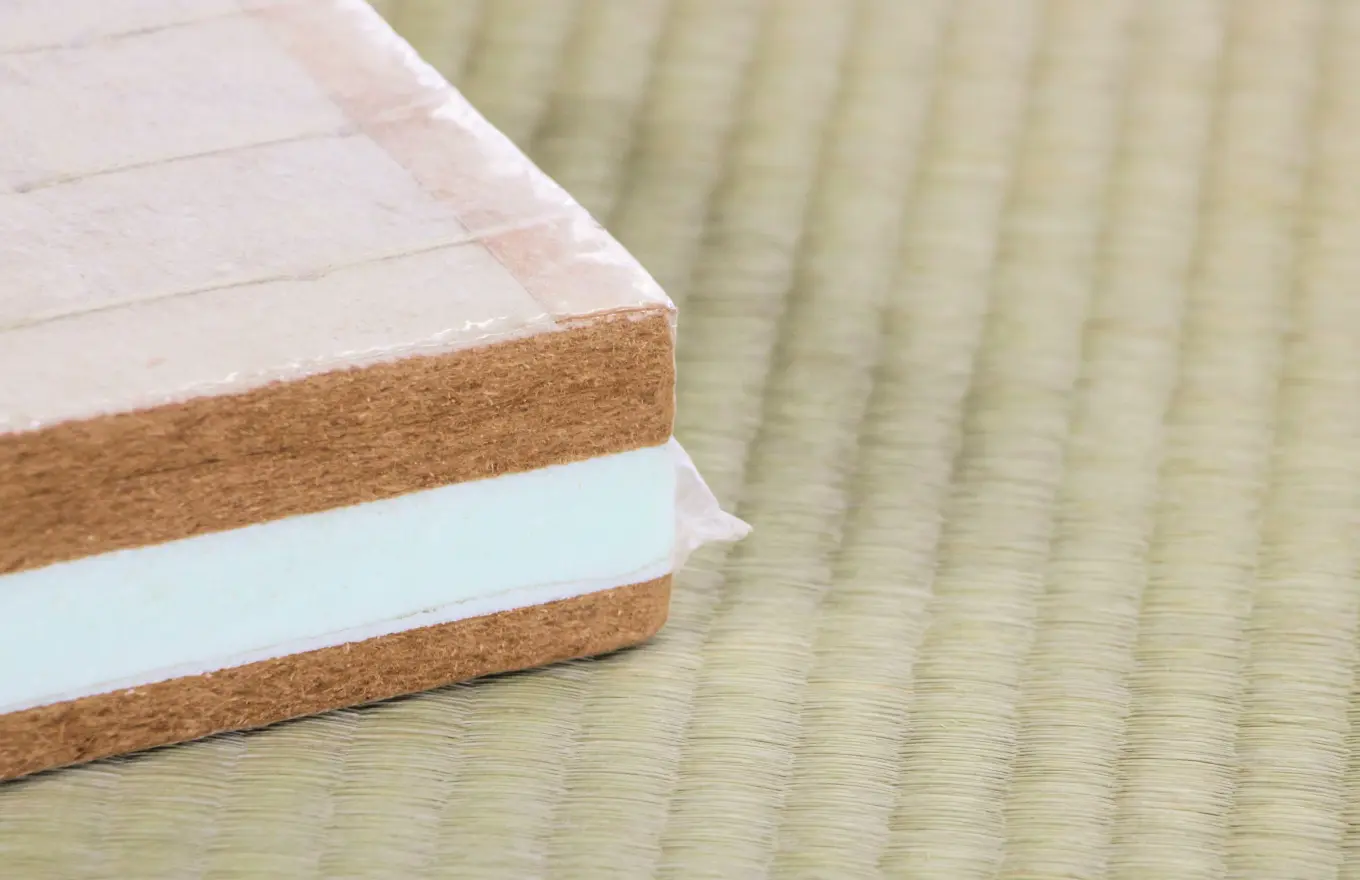
Tatami mat floor plays the most important function of tatami. Conventional tatami mats were made of rice straw,
but in recent years, new materials have been used in many cases because of the difficulty of obtaining the material,
difficulty in manufacturing, heavy and troublesome handling, easy breeding of insect pests such as mites, and easy mold
formation.
Tatami mats are made of insulation board made by compression molding wood chips or laminated with foamed polystyrene, and are also called "building material tatami mats."
It has high moisture absorption, heat insulation, and elasticity, and is less expensive and lighter than straw flooring
Tatami mats are made of insulation board made by compression molding wood chips or laminated with foamed polystyrene, and are also called "building material tatami mats."
It has high moisture absorption, heat insulation, and elasticity, and is less expensive and lighter than straw flooring
Edge of a tatami mat (HERI)
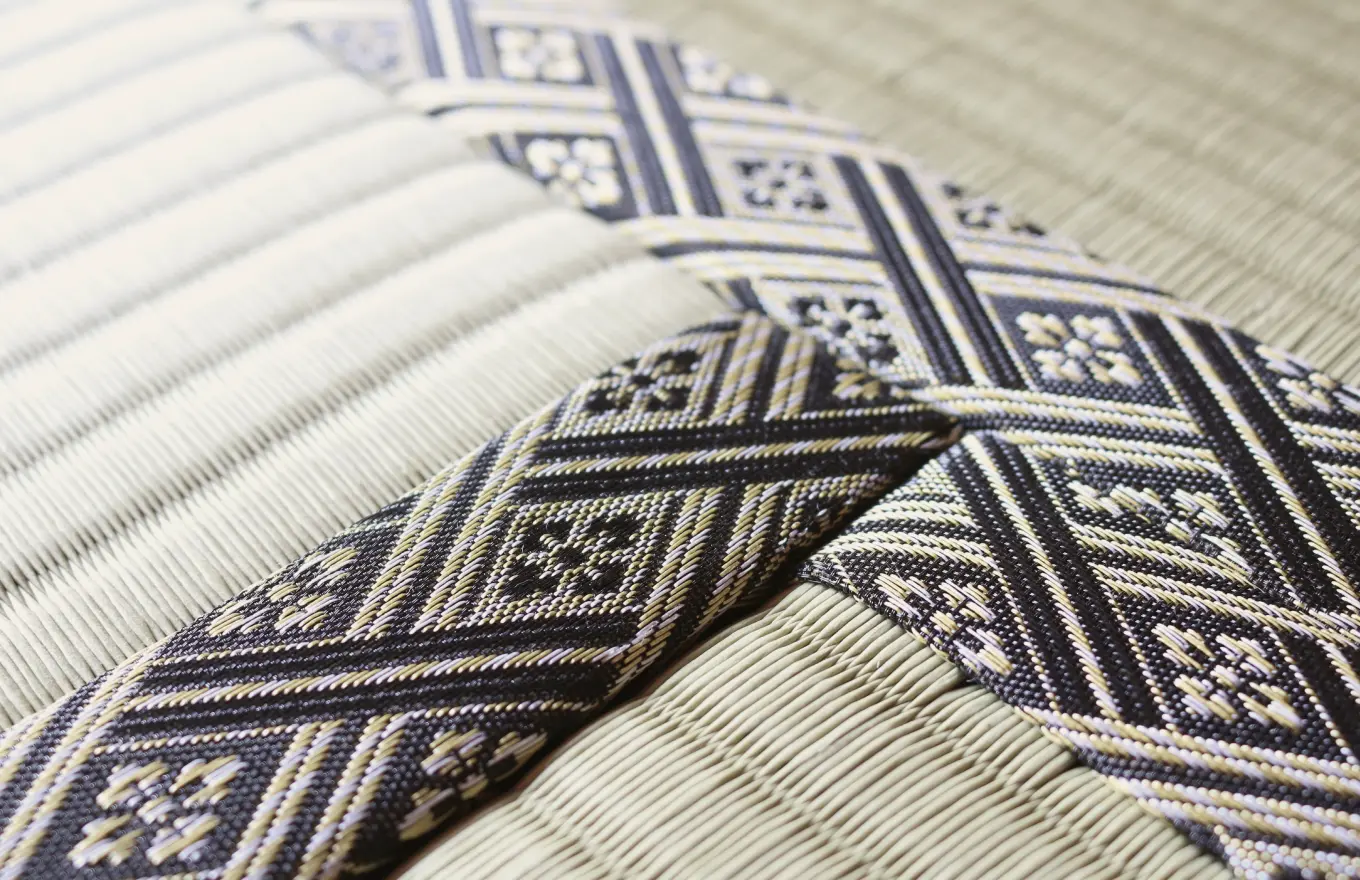
Generally, when wrapping tatami mats with tatami-omote, tatami-omote is wrapped around the tatami mat in the longitudinal
direction and sewn to the tatami mat on the reverse side, but in the transverse direction, tatami-omote is trimmed to match
the width of the tatami mat.
Since the tatami-omote is not fixed in place when left uncut, the cut edges are covered with tatami mat edges and at the same time sewn to the tatami mat floor to stop the cutting. Tatami edges are made of chemical fiber, cotton, linen, silk, and other materials and come in a variety of designs.
When wrapping the tatami floor with tatami-omote, it is wrapped not only vertically but also horizontally, and sewn on the back side as if it were folded in, resulting in edge-less tatami.
Since the tatami-omote is not fixed in place when left uncut, the cut edges are covered with tatami mat edges and at the same time sewn to the tatami mat floor to stop the cutting. Tatami edges are made of chemical fiber, cotton, linen, silk, and other materials and come in a variety of designs.
When wrapping the tatami floor with tatami-omote, it is wrapped not only vertically but also horizontally, and sewn on the back side as if it were folded in, resulting in edge-less tatami.